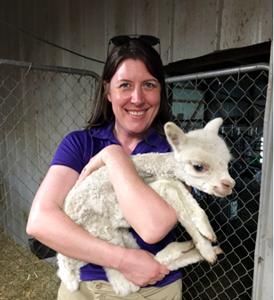
Understanding the genetic foundations of desirable traits in alpacas, such as fiber quality, coat color, and the prevention of inherited disorders, is vital for the continued success of breeding programs. In a study led by Dr. F. Abel Ponce de León and his colleagues, researchers are exploring a relatively uncharted area of alpaca genetics: structural genomic variation (SV). These large-scale DNA alterations, which can involve insertions, deletions, inversions, or duplications, often have a greater impact on phenotype than single-nucleotide changes. Utilizing long-read DNA sequencing technologies and advanced bioinformatics, the team has identified nearly 50,000 SVs across alpacas of varying coat colors. Among these, one particularly compelling inversion involving the ASIP gene—a key player in pigment production—may offer new insights into the genetic basis of coat color variation. This blog post provides an overview of these findings and their potential implications for genetic testing and selective breeding in South American camelids.
Shearing day doesn’t have to be stressful, chaotic, or overwhelming. With the right planning (okay, maybe a bit of over-prepping), what could feel like a barnyard blitz can become a smooth, satisfying day for both you and your alpacas.
Whether you're a seasoned pro or prepping for your very first shearing season, this checklist covers what you need to feel ready before, during, and after the big day.
“Good nutrition is essential for alpaca health and quality fiber production,” says Mazuri Ph.D. and alpaca researcher Dr. Jen Parsons.
Lately, we have heard a lot of talk about Farm Names and Breeder IDs in regard to naming alpacas. Sounds important, but what is the difference? Do I need to do anything? Read on to find out the purpose of a Breeder ID and a Farm Name.
Fall shows are starting and the health of our animals is first and foremost! Here is a reminder on why BVDV is so important for these animals.